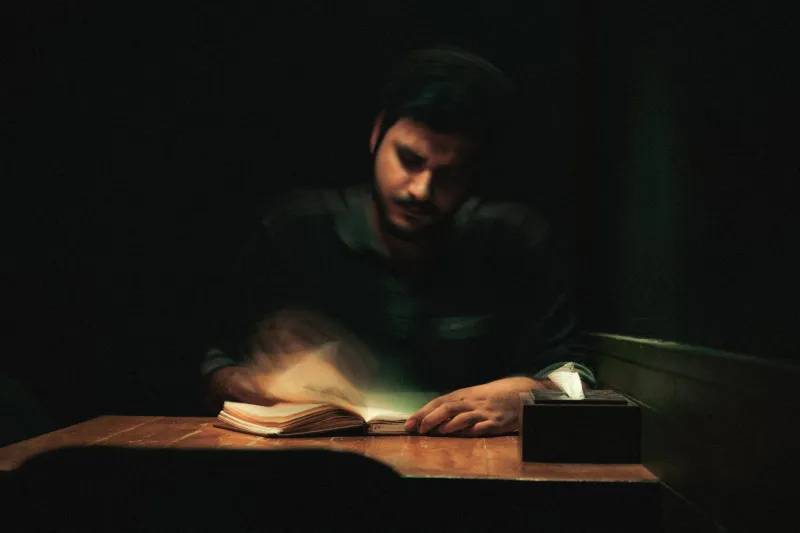
Alone Together: Why Manga's Most Withdrawn Heroes Build the Fiercest Fan Bases

Scroll through any manga fan forum on Reddit or TikTok and you'll notice a pattern pretty fast. The characters people are most obsessed with — the ones getting the most fan art, the most analysis threads, the most 'this character is literally me' posts — aren't the warm, outgoing types. They're the ones sitting alone at lunch. The ones who push people away before anyone gets too close. The ones who've forgotten, or maybe never learned, how to just be with another person.
It's a little ironic, right? Characters defined by their inability to connect are somehow connecting with millions of readers across the globe. But spend a few minutes reading deeper into these stories, and the irony starts to dissolve.
The Architecture of Emotional Distance
Let's start with Denji from Chainsaw Man. On the surface, he's loud, impulsive, and kind of a mess. But strip that back and you find someone who grew up so starved of basic human warmth that he literally doesn't know what he wants out of life beyond a full stomach and a hug. His emotional illiteracy isn't a quirk — it's a wound. And readers feel that.
Then there's Satoru Gojo from Jujutsu Kaisen, who projects so much confidence that it takes a while to clock the loneliness underneath. He's the strongest sorcerer alive, which means there's essentially no one who can truly understand what he carries. Power as isolation — that's a concept that lands hard for a lot of people.
And Loid Forger in Spy x Family plays the most calculated version of this archetype: a man who has trained himself to feel nothing, now quietly, reluctantly being thawed out by a fake family that somehow becomes the realest thing in his life.
These aren't the same kind of withdrawn. But they're all operating from the same emotional core — and that core speaks to something a lot of Western readers are quietly carrying around themselves.
Why US Readers Are Especially Drawn In
American culture has a complicated relationship with loneliness. On one hand, there's this cultural mythology around individualism — the self-made person, the lone wolf, the idea that needing people is somehow a weakness. On the other hand, rates of reported loneliness in the US have been climbing for years, and younger generations especially are navigating a world where social media makes you feel surrounded while somehow making genuine connection harder to find.
Manga's isolated protagonists walk that exact tension. They're not asking for sympathy. They're not performing their loneliness for the audience. They're just in it, and the story moves around them. That restraint is actually what makes readers lean in closer.
There's also something worth noting about how these characters are written versus how Hollywood typically handles the 'lone wolf' type. In a lot of Western action stories, emotional distance is framed as cool — it's an aesthetic. In manga, it's almost always framed as a problem to be slowly, painfully worked through. The story takes the loneliness seriously. That matters.
The Fan Community Feedback Loop
Here's where it gets really interesting. Characters like these don't just attract fans — they attract fans who want to understand them. The discourse around someone like Gojo or Denji isn't just 'he's awesome.' It's deep dives into their trauma responses, their attachment styles, their moments of almost-connection. Fan communities become a space for collective analysis, almost like group therapy through the lens of fiction.
This is especially visible in spaces like Tumblr, Twitter (or X, whatever we're calling it this week), and dedicated subreddits. Someone will post a single panel — maybe Denji looking confused and a little sad after something he doesn't have the vocabulary to process — and the replies will be fifty people sharing exactly how that image made them feel and why. The character becomes a shared language for emotions that are otherwise hard to articulate.
There's a term in psychology called 'parasocial relationship,' and it usually gets used in a slightly dismissive way, like it's less real than other kinds of connection. But the communities that form around these characters suggest something more complex. People aren't just projecting onto these characters — they're using them as a mirror and then finding other people who see the same reflection.
The Slow Thaw Is the Story
One thing almost all of these characters share is a narrative arc that centers on incremental emotional opening. It's never dramatic. Denji doesn't suddenly learn to process his feelings in a single cathartic moment. Loid doesn't wake up one morning and decide to be vulnerable. The change is slow, sometimes so slow you almost miss it — and that pacing is deliberate.
Real emotional growth doesn't happen in montages. It happens in small moments that you might not even recognize as significant until you're already past them. Manga, with its panel-by-panel pacing and its willingness to sit in a quiet beat for a full page, is uniquely suited to capturing that kind of movement. Readers feel like they're watching something true.
And when a character who has spent fifty chapters keeping everyone at arm's length finally lets one person in — even just a little — the payoff is enormous. Not because it's dramatic, but because you've earned it alongside them.
Reading the Loneliness, Not Around It
What Yomimoka is all about, at its core, is reading deeper. And with these characters, reading deeper means sitting with the discomfort of their isolation instead of fast-forwarding to the resolution. It means noticing the moments where they almost reach out and then don't. It means appreciating the authors who refuse to fix their characters too quickly or too cleanly.
The loneliness paradox isn't really a paradox at all once you look at it straight. Characters who struggle to connect make readers feel seen precisely because so many of us know that struggle firsthand. And in building communities around those characters, fans are doing the very thing their favorite protagonists find so hard — reaching out, finding each other, and saying: yeah, me too.
That's not ironic. That's just really good storytelling doing exactly what it's supposed to do.