The Chapters You Weren't Supposed to Care About: Why Manga's Side Stories Hit the Hardest on a Reread
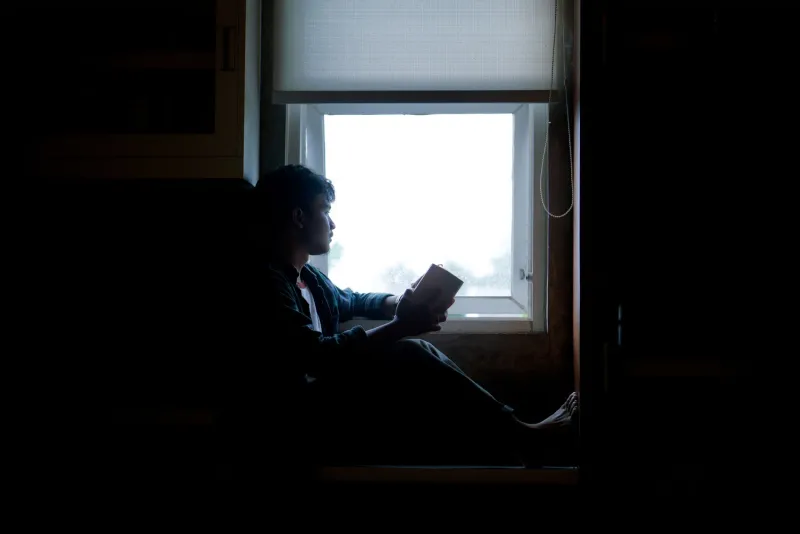
There's a specific kind of manga reader experience that doesn't get talked about enough. You're deep into a series, the main plot is cooking, stakes are high — and then the volume ends with a bonus chapter. Maybe it's the cast going to a summer festival. Maybe it's a quiet flashback to a character's childhood. Maybe it's just two people sharing a meal and not saying much.
You read it fast. You move on.
Then six months later, you're rereading the series and you slow way down on that exact chapter. You sit with it longer than you sat with the climax. You flip back to it twice. You screenshot a panel and send it to someone with zero context.
What happened?
Filler Isn't a Dirty Word
Anime fans in the US have a complicated relationship with the word "filler." Thanks to years of long-running shonen adaptations stretching thin source material into oblivion, filler became shorthand for "skip this." It trained us to treat anything that didn't advance the main plot as wasted time.
Manga's version of filler is a completely different animal.
When a mangaka drops a side chapter — a beach trip, a childhood memory, a day-in-the-life interlude — they're not stalling. They're doing something the main narrative structurally cannot do. They're letting characters breathe. And breathing, it turns out, is where you fall in love with someone.
The main plot has a job. It has to move. It has to escalate. It has to keep you turning pages with a sense of momentum and consequence. That's a real constraint, and good manga handles it well. But that same momentum means certain things never get space. The small stuff. The texture. The way a character laughs when they're not performing for anyone. The weird hobby nobody mentions in the action chapters.
Side chapters carry all of that.
What the Main Plot Can't Afford to Show You
Think about the big emotional moments in your favorite manga — the confrontations, the confessions, the deaths, the victories. Those moments land because you already care. But the caring didn't come from those scenes. It came from somewhere quieter.
It came from the chapter where the stoic fighter tried and failed to cook something for his teammates and didn't know what to do with the silence afterward. It came from the two-page spread of a character walking home alone after a festival crowd thinned out. It came from the throwaway joke that revealed something true about a relationship dynamic the story never directly addressed.
The main plot tells you what the characters do. The side chapters tell you who they are when nobody's watching.
That's not supplementary information. That's the whole foundation.
Why Rereads Hit Different
Here's the thing about a side chapter on a first read: you don't know yet what it's building toward. You don't know which character is going to break your heart later. You don't know which friendship is going to fracture. You don't know what that offhand comment about someone's past actually means.
So you read it lightly. You appreciate it, maybe. But you file it away as "cute" or "fun" and keep moving.
On a reread, that same chapter becomes a loaded gun.
You know exactly what's coming. You know which character is smiling in this panel and crying in a chapter forty volumes later. You know the thing they said in this quiet moment was the last time they ever said anything that honest. And suddenly the "pointless" side story is the most devastating thing in the entire series.
This is one of the sneakiest things manga does as a medium. The side chapters aren't just emotionally resonant on their own — they retroactively deepen everything around them. They plant roots that the main story's flowers grow out of, and you only see the full picture once you already know the ending.
The Creators Know Exactly What They're Doing
It's worth saying plainly: the best mangaka are not accidentally making good filler. They know which chapters will be the ones readers return to. They know the summer festival chapter is doing more emotional work than the tournament arc. They're choosing to put the real character truth in the spaces the plot doesn't occupy.
It's a deliberate craft choice, and it's one of the things that separates manga with genuine staying power from manga that's exciting to read once and forget.
Series like Yotsuba&! built their entire identity around this principle — every chapter is technically "filler" by action-plot standards, and yet the emotional accumulation is staggering. But even in heavy, plot-driven series, the creators who understand pacing know to give readers those exhale moments. Those chapters where nothing explodes and nobody trains and the characters just exist for a little while.
Those chapters are the ones that make the explosive stuff matter.
The Chapters That Live Rent-Free
Ask any serious manga reader which chapter from their favorite series they've reread the most. Nine times out of ten, it's not the climax. It's not the big reveal. It's something small.
It's the chapter where two rivals sat on a roof and talked about nothing important. It's the bonus story at the back of a volume about a side character's morning routine. It's the holiday chapter that's technically non-canon but somehow captures the spirit of the whole series better than any arc before or after it.
These chapters live in your head because they didn't demand anything from you. They just showed you something true.
How to Read Them Better
If you've been treating side chapters as skippable, consider trying something different. Read them slower. Pay attention to what the character is doing with their hands in a panel. Notice what they don't say. Look at the background details the artist bothered to include even though the chapter "doesn't matter."
Then, when you reread the series — and if it's good, you will reread it — start from those chapters. Let them be your entry point back into the world. You'll find they've grown into something completely different than what you remember.
The chapters you weren't supposed to care about are often the ones that end up caring for you the most. That's not an accident. That's the whole plan.
And once you start seeing it, you can't unsee it.